Upholstery cleaning Belgravia shops and cafes
Posted on 12/10/2026
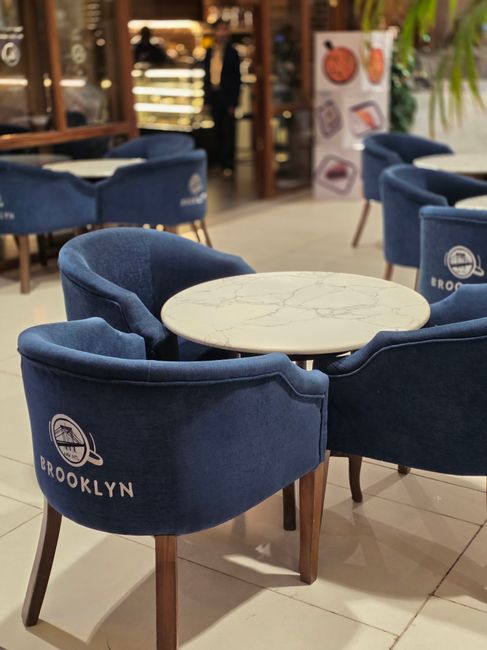
Belgravia has a certain polished feel to it. Smart shopfronts, calm streets, well-kept cafes, and interiors that need to look inviting from the first glance. That is exactly why Upholstery cleaning Belgravia shops and cafes matters so much: chairs, banquettes, stools, sofas, and waiting-area seating quietly shape the whole customer experience. A spotless table is good, but if the fabric seat beside it looks tired, stained, or dusty, people notice. They always do.
In busy hospitality and retail spaces, upholstery takes a daily beating from coffee spills, hand oils, outdoor grime, food crumbs, and general footfall. The good news is that with the right approach, you can restore the look and freshness of your seating without disrupting trading. This guide explains how the process works, what to expect, what to avoid, and how to decide when professional upholstery care is the sensible next step. A little practical, a little local, and hopefully very useful.
Why Upholstery cleaning Belgravia shops and cafes Matters
When someone walks into a shop or cafe, they do not consciously inspect every seat. They just absorb the feeling of the place. Clean upholstery helps create that quiet sense of care. It says the business pays attention, that standards are decent, and that the space is looked after properly. In a place like Belgravia, where presentation can matter just as much as price, that impression counts for a lot.
Upholstered seating also collects more than visible marks. Dust, pollen, odours, skin particles, food residue, and drink spills settle into fibres over time. Even if the fabric still looks "fine" from across the room, it may feel a bit flat, smell slightly stale, or have patchy wear in the areas customers touch most. That is the tricky bit. Neglect often creeps in quietly.
For cafes, upholstery hygiene affects comfort and lingering odours. For shops, especially boutiques, salons, and reception-style spaces, clean seating can support the whole brand image. If a customer is sitting down to wait, browse, or chat, their surroundings become part of the service. You want that moment to feel easy, not awkward.
There is also a practical business angle. Regular cleaning can help extend the life of furniture, slow down fabric wear, and reduce the chance that a small spill turns into a permanent stain. Replacing commercial seating is expensive. Keeping it in good condition is usually the smarter route, and honestly, less stressful too.
Expert summary: Upholstery cleaning in shops and cafes is not just about appearance. It protects the customer experience, supports hygiene, and helps furniture last longer. In a high-footfall setting, that combination is hard to beat.
How Upholstery cleaning Belgravia shops and cafes Works
Professional upholstery cleaning is not just "spray and scrub". Good results come from matching the method to the fabric, the staining, and the level of use. Different materials behave differently, and commercial seating often includes a mix of textiles, vinyls, faux leather, and patterned fabrics. So the process starts with identification, not force.
A typical cleaning job begins with inspection. The cleaner checks the fabric type, seam condition, existing stains, dye stability, and any areas of heavy wear. This matters because a method that works beautifully on one fabric could shrink, mark, or over-wet another. You do not want surprises here. Nobody does.
Next comes dry soil removal. Loose crumbs, grit, and dust are extracted first because they can scratch fibres or turn into muddy residue if wet cleaning starts too early. Then a suitable pre-treatment is applied to break down grease, drink marks, or food residue. After that, the upholstery is cleaned using an appropriate technique, often low-moisture extraction or controlled hot water extraction where suitable.
For delicate fabrics, more careful methods may be used, including targeted spot treatment or low-moisture processes. For robust commercial upholstery, a deeper clean may be possible. Drying is a major final step. In a busy cafe or shop, you want furniture to be usable again as quickly as possible, so airflow, ventilation, and sensible scheduling are all part of the job.
There is a small but important detail here: the best cleaners do not chase a "one size fits all" result. They balance cleaning power with fabric safety and turnaround time. That balance is what keeps chairs looking fresh instead of worn out by over-treatment.
Key Benefits and Practical Advantages
There are some obvious benefits to professional upholstery care, and a few that are easier to overlook until you have felt the difference yourself.
- Better first impressions: Fresh seating instantly improves how a space feels, especially near windows, counter areas, or waiting corners.
- Cleaner customer touchpoints: Regular cleaning reduces the build-up of grime on high-contact furniture.
- Longer furniture life: Removing dirt before it settles into fibres helps reduce abrasive wear.
- Improved odour control: Fabric can hold smells from coffee, food, damp coats, and general traffic.
- More consistent branding: Neat upholstery supports a premium or well-kept look.
- Better staff morale: It is simply nicer to work in a place that feels cared for.
For shops, especially those selling clothing, beauty products, or luxury items, the seating area can subtly influence buying confidence. People tend to trust a business that looks tidy in the details. For cafes, the benefit is even more direct. A fresh, clean seat makes guests more comfortable staying a little longer, which, let's face it, is rarely a bad thing.
Another practical advantage is reduced emergency cleaning. If you build a routine, you are less likely to end up dealing with a stubborn stain just before a busy weekend service. That kind of last-minute panic is nobody's favourite.
Who This Is For and When It Makes Sense
Upholstery cleaning is relevant for a lot more than full-service restaurants. In Belgravia, it can be useful for:
- cafes with upholstered banquettes, window seats, or lounge corners
- boutique shops with client seating or fitting-room benches
- salons and beauty spaces with waiting chairs
- showrooms and design studios welcoming clients for consultations
- small hospitality venues where fabric seating gets heavy daily use
- businesses preparing for seasonal refreshes or special events
It makes sense when the fabric starts to look dull, when a spill leaves a visible mark, when odours linger, or when the seating area simply no longer matches the standard of the rest of the premises. You might also book cleaning before a busy trading period, after refurbishment dust has settled, or as part of a broader maintenance plan alongside deep cleaning in Westminster.
Some businesses assume they can wait until furniture looks "really bad". In practice, that is often too late. Regular care is cheaper and easier than rescue cleaning. A bit like changing the oil before the engine complains.
If you manage multiple sites, you may also want to align upholstery care with wider routines such as office cleaning in Westminster or seasonal refresh work. It keeps the whole operation more consistent.
Step-by-Step Guidance
If you are arranging upholstery cleaning for a cafe or shop, it helps to understand the process from start to finish. That way you know what a proper job looks like, and what questions are worth asking.
- Assess the seating areas
Walk through the space and note the fabric type, visible stains, odours, wear patterns, and any fragile trims or decorative details. - Identify priorities
Decide whether the goal is full restoration, stain removal, deodorising, or simple maintenance. Different goals can mean different methods. - Check fabric care requirements
Some upholstery needs gentle treatment. Others can handle a deeper clean. The cleaner should test first if there is any doubt. - Plan the timing
Schedule work around opening hours, deliveries, and peak trading. Early mornings or after close are often easiest. - Clear the area
Move lightweight items, protect nearby surfaces, and make access simple. It saves time and reduces disruption. - Pre-treat and clean
Choose a method matched to the material and soil level. Avoid over-wetting, especially on delicate or multi-layered furniture. - Allow proper drying
Ventilation is key. Fans or open airflow help, but patience matters too. Use seats only when they are fully dry. - Review the result
Check for missed spots, moisture, and any areas needing a follow-up touch-up. Good cleaners will often do this as standard.
One useful habit: take a few quick "before" photos. Not for marketing, necessarily. Just for comparison. It helps you see what actually changed, because after a long cleaning day the eye can play tricks on you.
Expert Tips for Better Results
Here is where the difference between average and genuinely good upholstery care tends to show up.
1. Test before treating the full seat
Even when fabric looks simple, hidden dye issues can exist. A discreet test area reduces risk. That is standard practice for a reason.
2. Deal with spills quickly, but carefully
Blotting usually beats rubbing. Rubbing can spread the stain and push it deeper into the fibres. A fresh coffee mark dealt with promptly is far easier than one that has had all afternoon to settle in.
3. Match drying to trading hours
In a cafe, damp seating during service is awkward. In a shop, it looks unprofessional. Plan drying time properly, not just cleaning time.
4. Keep a fabric log if you have several seat types
It sounds a bit organised, maybe even a touch nerdy, but it helps. Note what fabrics you have, what products have been used, and what worked well. Future-you will be grateful.
5. Use maintenance cleaning, not just rescue cleaning
Regular lighter cleans often protect fabric better than waiting for heavy soil build-up. It is a quieter approach, but usually the smarter one.
If your venue is part of a larger maintenance schedule, it can make sense to pair upholstery care with carpet cleaning in Westminster so the whole customer-facing area feels coherent, not half-finished.
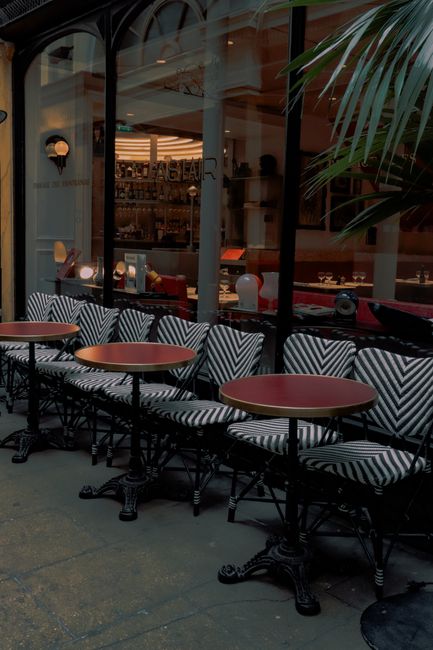
Common Mistakes to Avoid
A lot of upholstery damage happens because someone meant well. That is the frustrating bit. The most common mistakes are usually avoidable.
- Using too much water: Over-wetting can lead to prolonged drying, ring marks, odours, or fabric distortion.
- Ignoring fabric labels or care guidance: Different materials need different treatment. What works on one seat may damage another.
- Scrubbing stains aggressively: This can roughen fibres, spread the mark, or push residue deeper.
- Leaving hidden moisture behind: It may not be obvious at first, but trapped damp can cause smells or mildew.
- Cleaning only the visible stain: Spot cleaning alone can leave a noticeable patch or tide line.
- Waiting too long between cleans: Dirt settles in, and the next clean becomes harder than it needed to be.
One overlooked issue in cafes is food spill migration. A stain on the seat sometimes starts with a tiny drip from a table edge, then gets walked into the fabric over days. It sounds minor. It really isn't.
And yes, there is such a thing as trying too hard with a supermarket spray bottle at 7:45am before opening. Been there, seen that, not ideal.
Tools, Resources and Recommendations
You do not need a warehouse full of gear to keep commercial upholstery in good shape, but the right tools matter. For businesses handling basic daily upkeep between professional cleans, a sensible kit might include:
- a soft upholstery brush
- microfibre cloths
- a dry vacuum with upholstery attachment
- neutral fabric-safe spot treatment
- clean absorbent towels for fresh spills
- discreet signage or temporary seating cover options if drying is in progress
From a business planning point of view, it also helps to keep records of cleaning dates, product use, and any recurring problem areas. That sounds dull, but it is useful. If one booth keeps attracting coffee marks or one chair arm wears faster than the rest, the pattern becomes easier to spot.
For broader property and premises care, many businesses also review their wider cleaning structure through pages like services overview and pricing and quotes. That helps compare upholstery cleaning with other maintenance needs without turning it into guesswork.
If you are planning a larger refresh, you may find it useful to combine upholstery work with spring cleaning in Westminster or a one-off reset before a seasonal launch.
Law, Compliance, Standards, or Best Practice
For shops and cafes, upholstery cleaning is usually governed less by one specific rule and more by sensible business practice, workplace safety, and hygiene expectations. You do not need to turn it into a legal drama, but you do need a clean, careful process.
Businesses should make sure cleaning products are used according to instructions, that staff are not exposed to unnecessary slip or electrical hazards, and that areas are safe to reopen only once dry and ready. If you operate in a shared building or managed property, there may also be building rules about timing, access, waste handling, or ventilation.
It is also sensible to consider health and safety duties in practical terms: protect walkways, avoid trip hazards from hoses or equipment, and keep customers away from wet areas. Good contractors should understand this instinctively. If they do not, that is a red flag.
Documenting cleaning schedules, especially in food-led venues, can help demonstrate good housekeeping if questions ever arise. Not because everyone is checking every minute, but because good records make life easier when you are busy. You can also review a provider's health and safety policy and broader insurance and safety information before booking.
If there is ever a complaint or service concern, having a clear process matters too. That is one reason businesses should know the basics of a provider's complaints procedure. It is dull until you need it, then it suddenly becomes useful.
Options, Methods, or Comparison Table
Different upholstery situations call for different approaches. Here is a simple comparison to help you understand what may suit your shop or cafe best.
| Method | Best for | Advantages | Watch-outs |
|---|---|---|---|
| Vacuuming and light maintenance | Daily or weekly upkeep | Fast, low disruption, helps prevent build-up | Will not remove deep stains or odours |
| Spot cleaning | Fresh spills and isolated marks | Quick response, useful between full cleans | Can leave tide marks if done poorly |
| Low-moisture upholstery cleaning | Sensitive fabrics and busy spaces | Shorter drying time, less disruption | May need more frequent follow-up maintenance |
| Hot water extraction | Robust commercial fabric and deeper soil | Strong cleaning power, good for heavy use | Requires proper drying and fabric suitability |
| Targeted restoration cleaning | Problem areas, set stains, or neglected seating | Can improve tired-looking furniture significantly | Not every stain can be fully removed |
The right method depends on the seat, the stain, the timing, and the business setting. There is no need to choose the most aggressive option by default. In fact, that is often how people create more work for themselves.
Case Study or Real-World Example
Picture a small cafe in Belgravia with two upholstered window benches and a row of fabric chairs near the till. Nothing dramatic. Just a lovely little place that had started to look a bit tired after a wet winter and a busy run of mornings. The benches still worked, but one had a faint coffee ring near the seam and the fabric had taken on that slightly dull, lived-in look that can creep up on you.
The owner did not want a long shutdown. Fair enough. The cleaning plan was arranged for an early morning slot, before opening, with the seating inspected first and the fabric type checked carefully. The benches were vacuumed, treated, and cleaned in sections so drying could be managed properly. The chairs near the till, which had lighter use, needed less intensive treatment but benefited from spot work and deodorising.
By lunchtime, the room felt noticeably brighter. Not dramatically different in a theatrical way, just cleaner, crisper, and more welcoming. Customers probably would not have been able to say exactly what changed. They just felt it. That is often how good upholstery work shows up.
The owner's takeaway was simple: waiting until furniture looks "properly bad" is a false economy. The better approach was scheduled maintenance, especially before busy periods and after messy weather. Nothing glamorous, but it works.
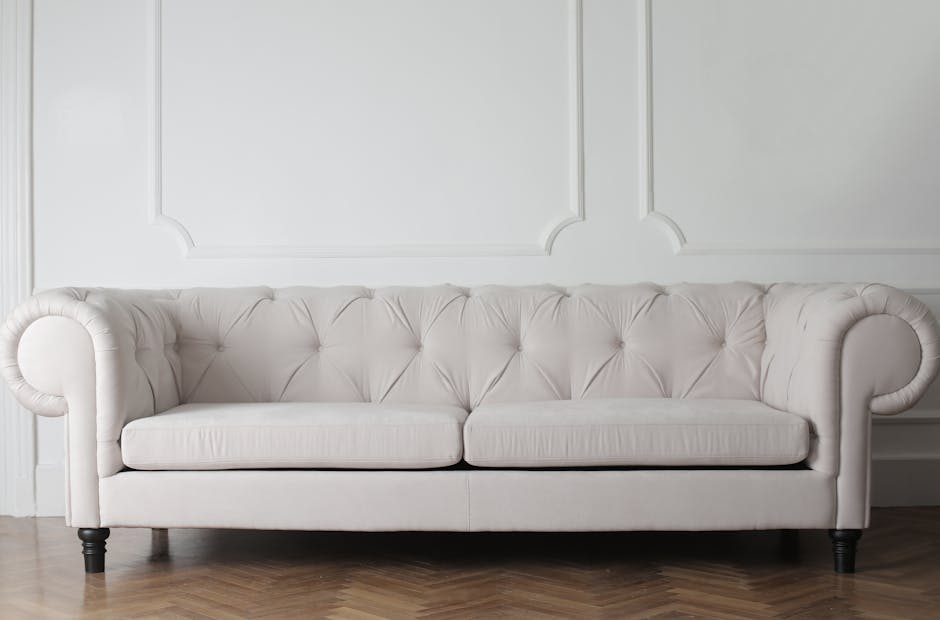
Practical Checklist
Use this checklist before booking or carrying out upholstery cleaning in a shop or cafe:
- Identify the furniture types and fabric materials
- Note stains, odours, wear marks, and fragile seams
- Decide whether the goal is maintenance, stain removal, or full refresh
- Choose a cleaning method appropriate for the fabric
- Plan the work around opening hours and delivery schedules
- Protect nearby floors, walls, and stock
- Check drying time and ventilation before reopening
- Keep a record of what was cleaned and when
- Review the result and note any stubborn areas for next time
- Combine upholstery care with wider cleaning where sensible
If you can tick most of those boxes, you are already ahead of the game. Small habits add up, and this is one of those jobs where the little things matter.
Conclusion
Upholstery cleaning for Belgravia shops and cafes is really about protecting the atmosphere of the space. Clean seating supports better first impressions, helps manage hygiene, reduces wear, and keeps the business feeling cared for. That is valuable whether you run a relaxed coffee spot, a polished boutique, or a small customer-facing showroom.
The key is to treat upholstery as part of your wider maintenance plan rather than a last-minute fix. Choose methods carefully, schedule cleaning around trading hours, and avoid shortcuts that create bigger problems later. Simple enough in theory, but it does make a difference in real life.
If your seating is due for a refresh, start with a proper assessment and a plan that suits the fabric, the footfall, and the way your business actually operates. Small details. Big impression.
Get a free quote today and see how much you can save.


