Office deep cleaning Whitehall Westminster
Posted on 02/09/2026
Office deep cleaning Whitehall Westminster: a practical guide for cleaner, healthier workplaces
If you manage an office in Whitehall or nearby Westminster, you already know the small things pile up quickly. Coffee splashes by the kettle. Dust settles on ledges nobody looks at twice. Keyboards get grimy, the meeting room loses its fresh feel, and one busy week is enough to make everything look a bit tired. That is where Office deep cleaning Whitehall Westminster comes in. It is not just a nicer version of routine cleaning; it is a proper reset for the workplace, designed to reach the places day-to-day cleaning often misses.
In this guide, you will learn what office deep cleaning actually covers, why it matters in a busy central London setting, how the process works, and what to look for before you book. We will also cover common mistakes, useful comparisons, compliance points, and a realistic checklist you can use straight away. If you are comparing services, you may also find it useful to look at the wider services overview and the dedicated office cleaning Westminster page for a broader sense of what ongoing support can look like.
Why Office deep cleaning Whitehall Westminster Matters
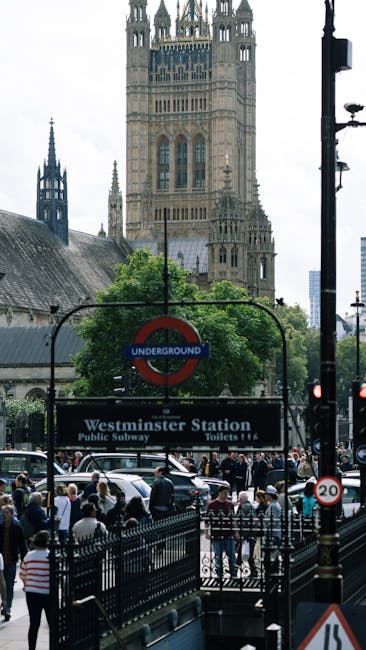
Whitehall is a unique part of London. Offices here tend to sit inside busy, high-footfall, high-pressure environments where staff, visitors, contractors, and deliveries all come and go throughout the day. That means dirt does not just appear on floors; it gets carried into reception areas, lift lobbies, stair rails, meeting rooms, washrooms, and kitchenettes. In other words, everyday cleaning can keep things presentable, but it does not always get things properly clean.
Office deep cleaning Whitehall Westminster matters because it deals with the buildup that people stop noticing. The dust behind radiators. The sticky film on door handles. The crumbs under soft seating. The marks around skirting boards. The stale smell that can settle into carpets after months of foot traffic. Truth be told, most teams only realise how much difference a deep clean makes once it has been done.
There is also a morale angle, and it is a real one. Staff tend to notice when the environment feels fresh, bright, and cared for. Visitors do too. A well-maintained office sends a quiet but strong message: this place is organised, thoughtful, and worth taking seriously. That is especially useful in Westminster, where first impressions matter and schedules are already tight.
If your office is preparing for a tenancy handover, a refurbishment, or a busy return-to-office period, the timing can be even more important. You can pair a deep office clean with spring cleaning Westminster for a fuller reset, or look at deep cleaning Westminster if you want a wider view of what a more intensive clean can include across different property types.
Good office deep cleaning is not about making a place look temporarily tidy. It is about removing the buildup that quietly affects hygiene, presentation, and how people feel about the space.
How Office deep cleaning Whitehall Westminster Works
A proper office deep clean is more methodical than a standard weekly clean. It usually begins with a walkthrough, because a sensible cleaner does not guess. They look at the layout, floor type, room usage, sensitive equipment, access issues, and any areas that need extra care. A small office with one kitchenette and two washrooms will need a very different approach from a multi-room suite with shared desks, meeting rooms, and heavy visitor traffic.
The work itself is normally done in stages. The team starts at the top of the room and works down, which avoids knocking dust onto already cleaned areas. That means ledges, vents, tops of cabinets, light switches, handles, furniture surfaces, skirting boards, and hard-to-reach corners are addressed before the floors get attention. In carpeted offices, carpet cleaning may be recommended alongside the deep clean, especially where spill marks, odours, or embedded dirt are an issue. You can see how that fits with the broader service on the carpet cleaning Westminster page.
Kitchenettes and washrooms are often the most detailed part of the job. These spaces build up grease, limescale, soap residue, and bacteria-friendly grime faster than people expect. A proper deep clean usually involves disinfection of touchpoints, descaling, desoaping, and a proper finish around sinks, taps, splashbacks, bins, and appliance exteriors. It sounds dull. It is not. These are the spaces staff judge the hardest.
Depending on the provider, the process may also include upholstery spot treatment, high-dusting, internal glass cleaning, and detailed vacuuming in corners and along edges. If your office has soft seating in client areas, it can make sense to combine the visit with upholstery cleaning Westminster so the space feels truly refreshed rather than half-done.
One thing worth saying: deep cleaning should be planned around business use, not the other way around. If the office is busy from early morning, doing a late-afternoon or weekend clean may be much easier. That bit often gets overlooked, then everyone ends up moving desks around like they are in a game of office Tetris. Nobody enjoys that.
Key Benefits and Practical Advantages
The obvious benefit is cleanliness, but the real value goes deeper than a shiny floor and a pleasant smell. A well-executed office deep clean improves how the workspace functions day to day. It reduces the buildup of dust and grime in high-contact areas, helps the office feel more organised, and supports a better impression for clients and staff alike.
Here are the main practical advantages:
- Better presentation: reception areas, meeting rooms, and communal spaces look cared for rather than merely maintained.
- Improved hygiene: touchpoints, washrooms, kitchens, and shared surfaces are cleaned more thoroughly.
- Longer-lasting finishes: regular deep cleaning can help carpets, upholstery, and hard surfaces stay in better condition for longer.
- More comfortable working conditions: fewer lingering smells, less visible dust, and a fresher overall feel.
- Better preparation for special events: useful before inspections, client meetings, staff return days, or office moves.
- Reduced complaint risk: cleaner communal areas can help minimise avoidable grumbles from staff and visitors.
There is also a subtle operational benefit. When the office is deeply cleaned on a planned cycle, routine maintenance becomes easier. Your regular cleaner is not fighting months of build-up, so the space stays more consistent. That can be a surprisingly big deal over time.
If you are coordinating a change of tenancy or preparing a vacated workspace, it may also help to review related support such as end of tenancy cleaning Westminster or the location-specific guide end of tenancy cleaning Pimlico SW1 flats, especially if the office or building sits in a mixed-use property. Different spaces, same principle: leave it properly clean, not just looking okay from the doorway.
Who This Is For and When It Makes Sense
Office deep cleaning Whitehall Westminster is a good fit for a wide range of workplaces, but it is especially useful for offices that see regular visitors, share facilities, or operate in older buildings where dust and wear build up faster than expected.
You are likely to need it if you manage:
- professional services offices with client-facing meeting rooms
- shared or serviced office spaces
- small headquarters with kitchen and washroom facilities
- administrative offices in heritage or older Westminster buildings
- teams returning after a period of low occupancy
- premises preparing for inspection, sale, or handover
- workplaces with carpeting, upholstered seating, or heavier-than-average footfall
It also makes sense after particular events. Think of office parties, renovations, a hot summer spell with more open windows and more dust, or a winter period when wet coats and boots have tracked in dirt for weeks on end. These are the kinds of situations where ordinary tidying just cannot quite catch up.
For business owners who are balancing both office and residential or managed properties, it can help to have a broader cleaning partner. The page for House Cleaning Westminster SW1 may be useful if you need cleaning support beyond the workplace, while domestic cleaning Westminster and one-off cleaning Westminster are sensible references for occasional or mixed-need arrangements.
Step-by-Step Guidance
If you are booking a deep clean for the first time, the process is easier to manage when you know what to expect. Here is a straightforward way to approach it.
- Walk the office first. Note the rooms that need the most attention, including kitchens, washrooms, carpets, upholstery, and touchpoint-heavy areas like reception and meeting rooms.
- List priorities. Decide what must be done on the visit and what can wait. For example, carpet extraction may be essential, while internal window detailing might be optional depending on time and budget.
- Flag sensitive items. Computers, files, cables, specialist equipment, and secure storage areas should be identified in advance. Nobody wants an awkward moment with a misplaced cable or a damp surface near electronics.
- Choose the right timing. Book outside peak hours if possible. Evening or weekend access can make the clean more efficient and less disruptive.
- Confirm the scope. Make sure you and the cleaning team agree on what counts as deep cleaning: washrooms, kitchen areas, skirting boards, high dusting, floor detailing, and any carpet or upholstery work.
- Prepare the space. Clear clutter from desks, move personal items, and empty bins where needed. The cleaner can work better when the room is not full of half-finished paperwork and coffee mugs.
- Inspect the result. Once the work is done, do a quick walk-through. Check corners, washrooms, communal areas, and any specific problem spots you highlighted at the start.
That last step matters more than people think. A good cleaner will welcome feedback. A quick review on the day is usually the easiest way to catch anything minor before everyone is back at their desks.
Expert Tips for Better Results
After enough office cleans, certain patterns become obvious. The best results usually come from planning, not from asking for "everything" and hoping for the best. A clear brief saves time and money, and the finish is better too.
Here are a few expert-level tips that are genuinely useful:
- Separate regular upkeep from deep cleaning. Daily cleaning keeps the office usable. Deep cleaning handles buildup and detail work. Mixing the two can create confusion about what is actually included.
- Prioritise touchpoints. Door handles, switches, shared desks, kettle handles, fridge doors, lift buttons, and taps deserve attention because they get used constantly.
- Do carpets and upholstery together where possible. If one is cleaned and the other is not, the room may still feel tired. It is a bit like washing only half the car. Better than nothing, but you notice.
- Ask about drying times. This is especially important for carpets, soft seating, and any area that will be used again the same day.
- Use a predictable cycle. Quarterly or biannual deep cleans are common starting points, but your actual schedule should reflect usage, visitors, and floor size.
- Check insurance and safety arrangements. When cleaners are working around office equipment, cables, and occupied buildings, the basics matter. If you want reassurance on this point, the pages for insurance and safety and the health and safety policy are sensible places to review expectations.
A small but useful habit: keep a note of recurring problem spots after each visit. The fourth-floor kitchenette that always gets greasy. The reception chair that picks up marks every winter. The meeting room table that somehow attracts sticky fingerprints. Those little details help the next clean go better, and frankly they stop things being forgotten.

Common Mistakes to Avoid
Office deep cleaning sounds simple, but a few common mistakes can weaken the result. The most frequent one is under-specifying the job. People say they want a deep clean, but never define what that means in their building. The outcome? A decent surface clean, but not the full reset they expected.
Other mistakes include:
- Leaving clutter everywhere. Cleaners can work around items, but not efficiently if every surface is covered with paperwork or personal belongings.
- Booking without checking access. If keys, alarms, building entry, or lift access are not arranged properly, time gets wasted and corners may be missed.
- Ignoring carpets and upholstery. The room can look clean while still feeling dull, especially in older Westminster offices with heavy foot traffic.
- Choosing price alone. A very cheap quote sometimes means a narrower scope, rushed time, or fewer detail areas. Not always, but often enough to matter.
- Skipping the post-clean review. If nobody checks the finished work, small issues can drift into the next week and become bigger later.
And one more, because it comes up a lot: assuming every office deep clean is the same. It is not. A two-room consulting suite and a multi-department office near Whitehall need very different planning. Same phrase, different job.
Tools, Resources and Recommendations
You do not need to buy professional equipment to prepare for an office deep clean, but a few simple tools and habits make the process easier.
Useful items and resources include:
- microfibre cloths for removing dust from monitor stands, desks, and shelves
- labels or notes for sensitive equipment and private storage areas
- spill logs or maintenance notes if a room has repeat issues
- bin liners and recycling bags to clear worktops before the visit
- a simple room-by-room checklist to track progress
- access notes for cleaners, especially in multi-tenant or secure buildings
For recurring work, it is often smart to review the broader cleaning plan rather than treating each visit as a standalone event. The pricing and quotes page can help you think through how scope affects the final arrangement, while request a quote is the natural next step if you want a tailored answer rather than guessing your way through it.
If you prefer to keep everything in one place, the main about us page gives a sense of the company background, and the blog can be handy for broader local cleaning and property guidance. There is a surprising amount to be learned from the pattern of a good office, to be fair.
Law, Compliance, Standards, or Best Practice
Office deep cleaning is not usually about complicated legal process, but it should still be carried out in line with sensible workplace expectations and UK best practice. That means safe use of chemicals, awareness of trip hazards, care around electrical equipment, proper waste handling, and respect for the building's access rules and occupancy needs.
If you operate an office, you also have a practical duty to keep the environment reasonably clean and safe for staff and visitors. The exact detail depends on the building, the activity carried out there, and any site-specific requirements. It is always wise to treat cleaning as part of workplace safety, not as a cosmetic extra. That is especially true in shared or high-traffic Westminster premises where slips, blocked access routes, or poor kitchen hygiene can become everyday problems quickly.
Best practice usually includes:
- clear scope of work agreed in advance
- safe storage and handling of products and equipment
- careful attention to wet floors and drying times
- respect for sensitive areas, documents, and electrical items
- communication about any hazards or restricted zones
- consistent records for scheduled maintenance where needed
In short, good cleaning is also good housekeeping. Not glamorous, perhaps, but absolutely part of running a decent office.
Options, Methods, or Comparison Table
If you are deciding how to approach office cleaning, it helps to compare the main options. Different offices need different levels of intensity, and trying to solve every problem with the same method usually leads to wasted time or missed details.
| Method | Best for | Typical focus | When to choose it |
|---|---|---|---|
| Routine office cleaning | Day-to-day upkeep | Desks, bins, floors, touchpoints | Ongoing maintenance and presentation |
| Office deep cleaning | Built-up dirt and detailed hygiene | Skirting boards, fixtures, kitchens, washrooms, hard-to-reach areas | Periodic reset, after busy periods, or before inspections |
| One-off cleaning | Short-term or occasional need | Variable depending on scope | Move-ins, events, or occasional catch-up |
| Carpet or upholstery add-on | Soft furnishings and floorcare | Embedded dirt, stains, odours, traffic lanes | When carpets or seating affect the whole room's feel |
For some offices, the best answer is a combination. For example, a deep clean plus carpet treatment plus a reset of kitchen and washroom areas. For others, a smaller one-off clean does the job just fine. The right choice depends on what the space actually needs, not what sounds most impressive in a brochure.
Case Study or Real-World Example
Picture a small professional office near Whitehall with a reception area, one meeting room, a kitchenette, and shared washroom access. The team had regular cleaning once a week, but by mid-quarter the place still felt flat. Dust sat along the top of shelving. The meeting room chairs had patchy marks. The kitchen had a faint stale smell after lunch rushes. Nothing dramatic, just enough to make the office feel a bit worn out.
Before the deep clean, the manager did a quick walkthrough and listed the problem spots: the kitchenette, the meeting room upholstery, the skirting boards in reception, and the carpet traffic lanes near the entrance. The visit was arranged for an evening slot so staff could leave on time and come back to a properly reset office the next morning.
The result was not magical, because let's face it, cleaning is still cleaning. But it was noticeable. The reception felt brighter, the kitchen no longer gave off that tired smell, and the meeting room looked more professional for client visits. Staff comment? "It feels like we finally caught up." That is usually the sort of reaction you want.
What made the biggest difference was not one single task. It was the combination of detail work, attention to touchpoints, and the decision to include carpets and upholstery rather than leaving them for another day. Small things. Big impact.
Practical Checklist
Use this checklist before booking or carrying out Office deep cleaning Whitehall Westminster:
- Identify the rooms that need the most attention
- List priority areas such as washrooms, kitchens, reception, and meeting rooms
- Decide whether carpets, upholstery, or hard floors need specialist treatment
- Remove clutter and clear worktops where possible
- Protect sensitive documents and equipment
- Confirm access times, keys, alarms, and building entry
- Ask what is included in the deep clean, in plain language
- Check drying times for treated surfaces
- Walk through the office after completion
- Note any recurring problem areas for next time
Practical summary: the best office deep clean is the one that matches the real condition of the workspace, not the one that looks neat on a quote. Plan it properly, clean the right problem zones, and give the space a chance to breathe again.
If you are ready to compare options or talk through a specific workplace, you can start with the contact page or go straight to request a quote. If you are watching the budget, the exclusive rates page may also be worth a look before you decide. A bit of clarity upfront saves a lot of back-and-forth later.
Get a free quote today and see how much you can save.
Conclusion
Office deep cleaning Whitehall Westminster is one of those jobs that quietly pays for itself in how the space feels and functions. It supports hygiene, improves presentation, reduces the feeling of general wear, and gives your team a cleaner place to work without the constant drip of hidden grime building up in the background.
The best approach is simple: know what needs attention, choose the right scope, schedule it sensibly, and check the result properly. Do that, and the office will feel lighter, fresher, and much easier to manage. And honestly, that little sense of order is worth a lot on a busy London week.
Sometimes the difference between a stressed office and a decent one is not dramatic. It is just a proper clean, done well, at the right time.